

7 Fatal Formal Dress Code Mistakes That Kill Your Authority
In a world of high stakes, your appearance speaks before you do. Don't let these details betray you.
In the professional and social elite, a formal dress code is more than a set of rules—it’s a test. It’s a silent language that signals your attention to detail, your respect for tradition, and your level of self-discipline. Even a $3,000 suit cannot save you from the subtle errors that signal amateurism.
As we move through 2026, the standards for "Formal" have become sharper. Perfection is expected. Here are the seven fatal mistakes that could be quietly undermining your authority at your next high-stakes event.
1. The Unforgivable "Sock Gap"
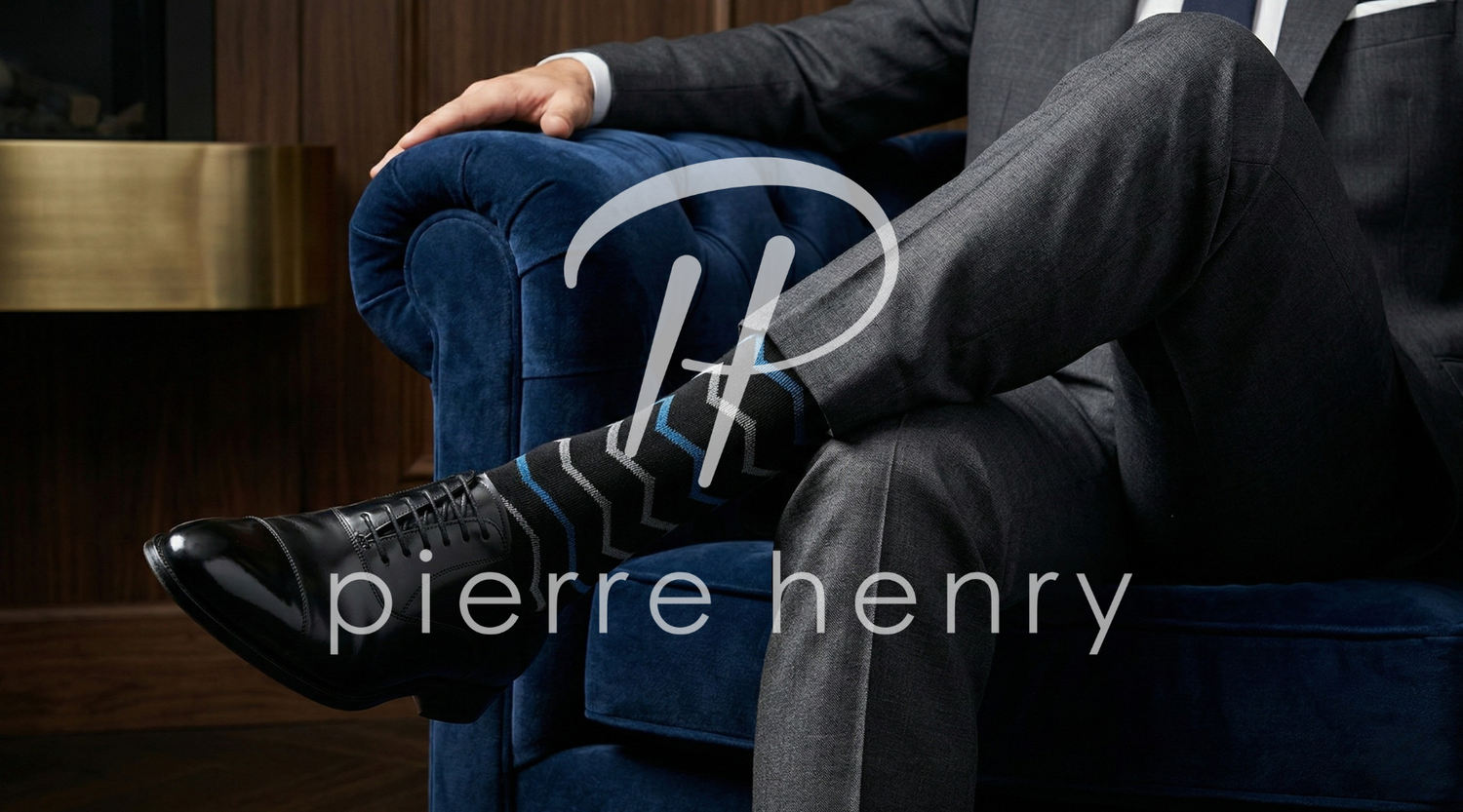
This is the most frequent and most damaging mistake. When you sit or cross your legs, your trousers rise. If you are wearing standard mid-calf socks, they will inevitably sag, revealing a patch of bare skin.
In a formal setting, this is a major breach of etiquette. It breaks the visual continuity of your silhouette and looks unpolished. The solution: Over-the-Calf (OTC) socks. They are engineered to stay up all day, ensuring that your leg remains covered regardless of your movement.
2. Leaving the Sleeve Tag and Vent Stitches
New suits often come with a small brand label stitched onto the left sleeve and an "X" stitch holding the back vents closed. These are meant to be removed before the first wear. Keeping them on is a neon sign that you are wearing a suit for the first time or that you don't understand the garment’s construction.
3. Matching the Tie and Pocket Square Exactly
The "matching set" is a shortcut that backfires. It looks pre-packaged and lacks the sophistication of curated style. A pocket square should complement a color in your tie or shirt, not replicate the pattern. If your tie is navy with a burgundy stripe, opt for a solid burgundy or a white pocket square with a navy border.
4. The Incorrect Buttoning Rule
On a two-button suit: Always the top, never the bottom. On a three-button suit: Sometimes the top, always the middle, never the bottom. Fastening the bottom button distorts the drape of the jacket, making you look stiff and uncomfortable. Remember to unbutton your jacket completely before sitting down.
5. Misaligned Leather Tones
Your belt and your shoes must live in the same color family. Wearing a black belt with dark brown shoes creates a visual disconnect that ruins the harmony of your outfit. For a truly formal look, ensure the textures match as well—don't pair a matte leather belt with highly polished patent shoes.
6. Poor Hem Length (The "Puddling" Effect)
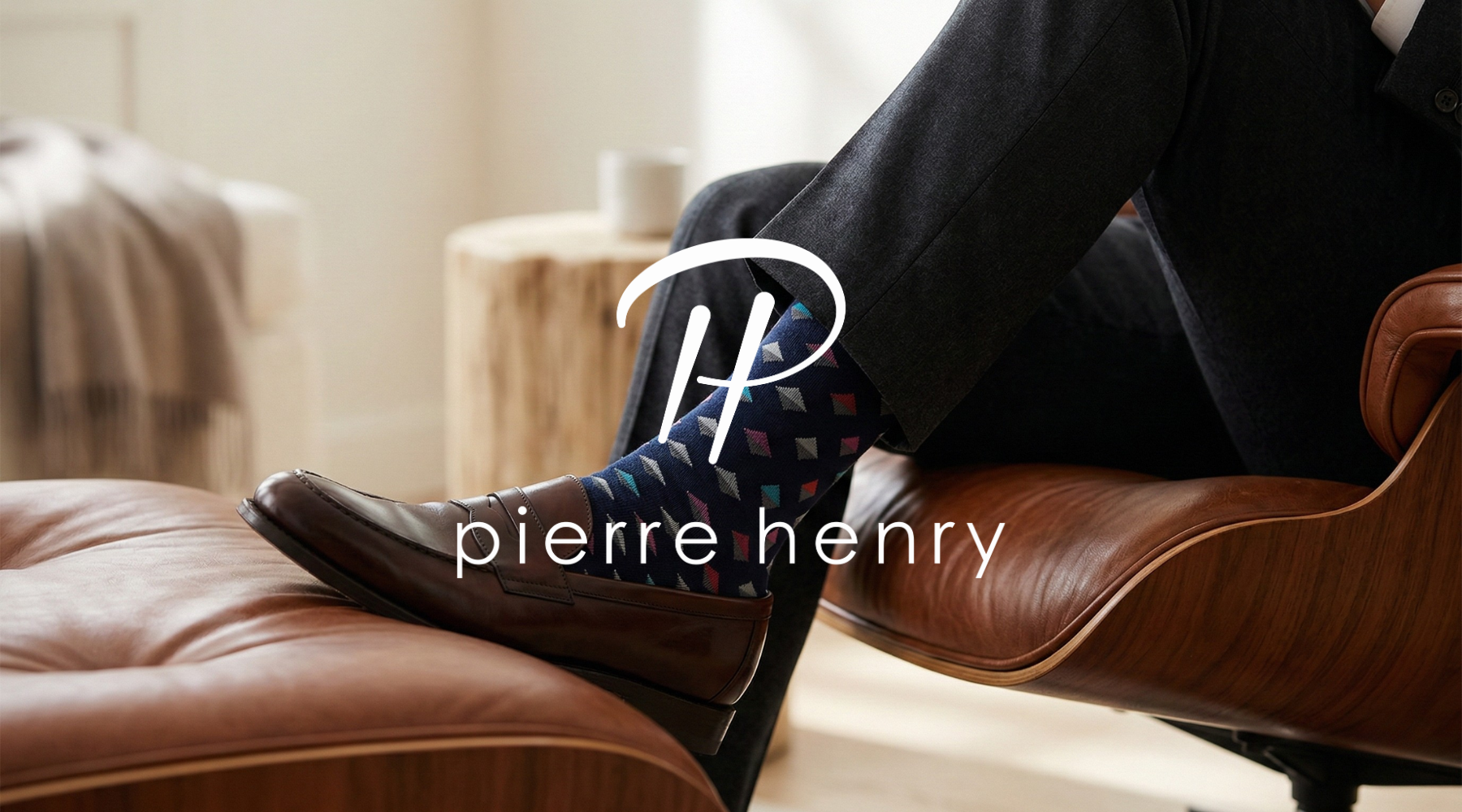
In 2026, the trend favors a "slight break" or "no break" at the ankle. If your trousers are so long that the fabric puddles over your shoes, you look shorter and sloppy. A clean hem shows respect for your footwear and allows your premium hosiery to be seen correctly without sagging.
7. Ignoring Fabric Seasonality
Wearing a heavy flannel suit to a summer evening gala, or a thin linen suit to a winter awards ceremony, shows a lack of situational awareness. Respect the temperature and the environment. Your comfort translates to confidence, and confidence is the ultimate mark of authority.
Foundation is Everything
Style isn't just about the suit you choose; it's about the details you don't ignore. Secure your professional image with the world's finest over-the-calf socks.
Shop Formal Essentials

Leave a comment
This site is protected by hCaptcha and the hCaptcha Privacy Policy and Terms of Service apply.